Key Takeaways
- Shilajit is a mineral-rich resin exuded from high-altitude rock formations, traditionally used in Ayurvedic medicine and now studied for stress, fatigue, athletic performance, brain health, testosterone, and wound healing.
- Human trials use doses roughly in the 250–500 mg/day range (purified extract), typically taken for 8–12+ weeks before effects are evaluated.
- Raw, unpurified shilajit can contain unsafe levels of lead, arsenic, mercury, and other heavy metals. Only purified, third-party-tested products should be considered for consumption.
- Shilajit may raise testosterone and DHEA, contains iron, and has not been studied in pregnant or breastfeeding people.
- It is not appropriate for anyone with hemochromatosis (iron overload) or anyone on blood pressure medication, anticoagulants, or diabetes medication to start without talking to a healthcare professional.
- Ashwagandha, rhodiola, and cordyceps are commonly compared alternatives; each has a different primary evidence base and mechanism.
Who May Benefit From Shilajit
May be worth discussing with a healthcare provider if you're:
- An adult dealing with persistent low energy or fatigue
- A man in his 40s–50s interested in the testosterone research
- An athlete or active person interested in performance-fatigue research
- Someone looking for antioxidant/oxidative-stress support alongside — not instead of — other lifestyle measures
It is best to avoid, or only use under medical supervision, if you're:
- Pregnant or breastfeeding (no reliable safety data)
- Living with hemochromatosis or another iron-overload condition
- On blood thinners, blood pressure medication, or diabetes medication
- Managing a kidney condition
What Is Shilajit?
Shilajit is a sticky gum-type substance that ranges in color from pale brown to dark brownish-black. It is primarily exuded from the rocks of a variety of mountain ranges in India, Russia, Pakistan, and China throughout May through July. Shilajit is most often sourced from the Himalayan and Hindu Kush mountain ranges.
Shilajit is a mix of both plant and mineral materials. Studies suggest that it is formed when organic plant material is compressed between heavy rocks. The formation of this incredible substance usually occurs on steep, sunny rock walls at high altitudes between 1,000 and 5000 meters above sea level. Studies have also found that shilajit is more likely to form in rocky, porous areas that are naturally rich in organic carbon.
While this medicine of the mountains may be shrouded in a bit of mystery, modern research is beginning to shed light on its many potential health benefits. This guide covers what shilajit is, what the evidence actually shows, how it's dosed in studies, and what to check before buying a bottle.
A note on the evidence itself: most clinical trials on shilajit are relatively small (dozens to low hundreds of participants), and while several are well-designed (randomized, double-blind, placebo-controlled), the overall body of human evidence remains limited compared to that for well-studied supplements. Several of the benefits below rest more heavily on animal or test-tube research than on human trials.
What's in Shilajit? Nutritional and Chemical Content
Shilajit contains minerals including iron, magnesium, and zinc. It's also rich in fulvic acid, which makes up an estimated 60–80% of its composition. Fulvic acid forms as a byproduct of organic matter breakdown by bacteria and fungi, and traditional Ayurvedic use credits much of shilajit's effect to this compound.
What Does Fulvic Acid Actually Do?
Fulvic acid isn't just a marketing term — it has a specific proposed role:
- Mineral transport: fulvic acid is thought to help chelate (bind and carry) minerals across cell membranes, which is one proposed reason shilajit's mineral content may be more bioavailable than the raw mineral amounts alone would suggest (Swat et al., 2019; Winkler & Ghosh, 2018).
- Antioxidant activity: fulvic acid has documented free-radical-scavenging activity in lab studies.
- Studied for mitochondrial function: some of the fatigue and performance research above ties shilajit's effect to mitochondrial bioenergetics, and fulvic acid is the compound most often proposed as the mechanism.
On standardization: commercial extracts are frequently standardized to a minimum fulvic acid percentage, and several of the human trials cited in this article used a specific standardized extract (PrimaVie®, manufactured by Natreon) rather than generic "shilajit" — this matters because a product's total fulvic acid percentage and the specific extraction method both affect whether it resembles what was actually tested. If a product doesn't disclose a standardized percentage, you're less able to compare it to the research.
That mineral density is exactly why sourcing and purification matter so much — see the safety section below before assuming "mineral-rich" automatically means "good for you."
Raw vs. Purified Shilajit: Why This Distinction Matters
Raw, unprocessed shilajit is a geological product, and geology doesn't filter for safety. Because it forms in rock over long timescales, raw shilajit can carry heavy metals — lead, arsenic, mercury, and cadmium — along with mycotoxins and organic debris from its environment (Meena et al., 2010). This is not a fringe concern; it's the reason legitimate Ayurvedic practice has always called for a purification step (traditionally "shodhana") before use.
Modern purification for commercial supplements generally involves water extraction, filtration, and heat/temperature control to separate fulvic-acid-rich material from mineral sediment and contaminants, followed by third-party lab verification — typically ICP-MS testing, which can detect heavy metals at parts-per-billion levels.
Two things to know before buying:
- "Purified" is not a regulated or standardized term in the U.S. supplement market. A label claim of "purified" or "authentic Himalayan" is not the same as a Certificate of Analysis (COA) showing actual heavy-metal test results.
- Boiling or dissolving shilajit resin at home does not remove heavy metals. Lead and arsenic are elements — they aren't destroyed by heat the way microbes are. Only lab-grade filtration/purification removes them.
What to look for before buying: a batch-specific Certificate of Analysis testing for lead, arsenic, mercury, and cadmium at a minimum; third-party certification (e.g., NSF or a comparable independent testing body); and a supplier that will produce that documentation on request rather than only a general purity claim on the label. 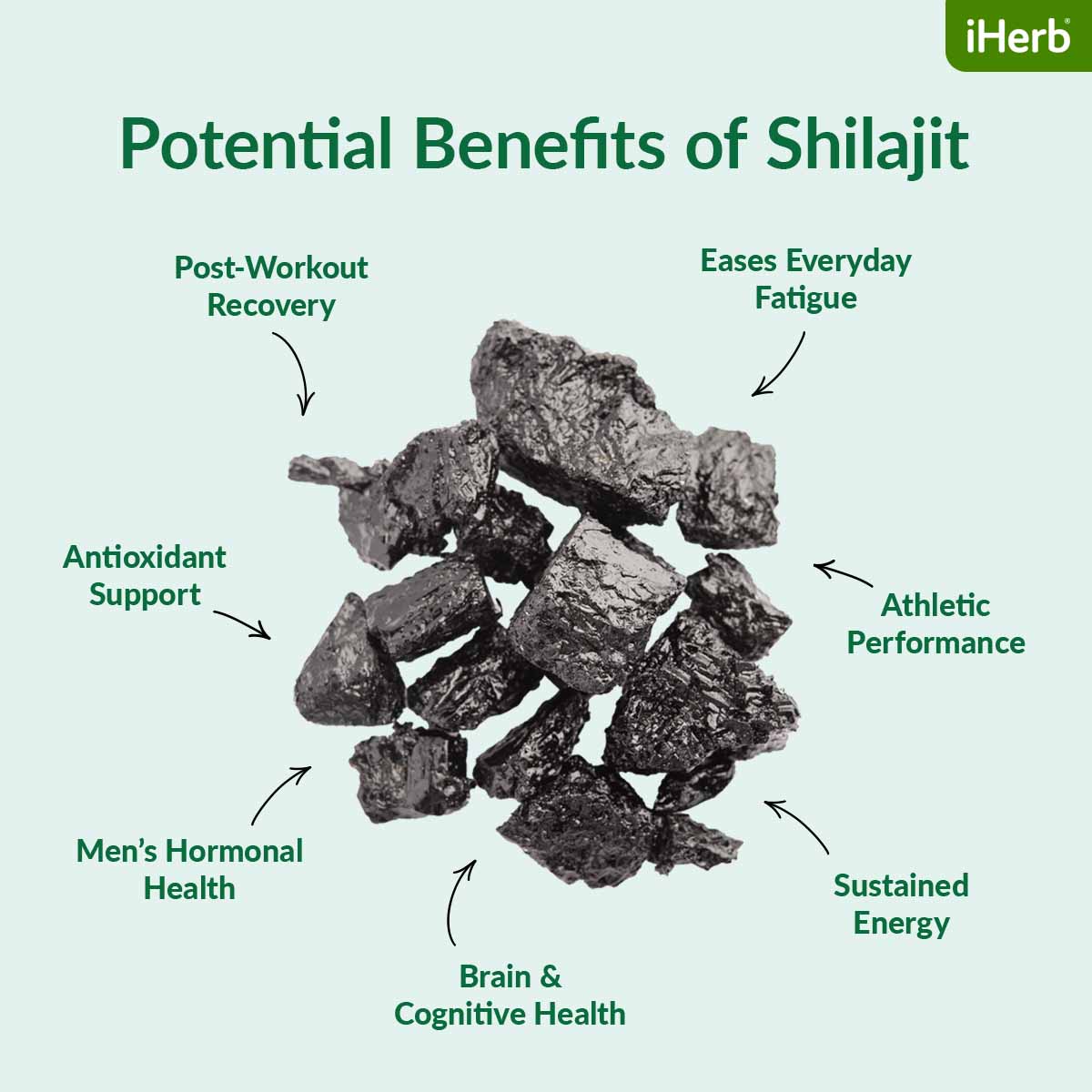
How Has Shilajit Traditionally Been Used?
In Ayurveda, shilajit has been used broadly for digestive complaints, urinary tract issues, and general vitality and immune support. Traditional use treats it almost as a panacea; modern research is more selective, but several specific benefit areas do have supporting clinical or preclinical data. Below are six of the better-studied ones.
Does Shilajit Help With Stress and Oxidative Stress?
There is moderate evidence of shilajit helping with oxidative stress. Chronic stress is linked to a wide range of downstream problems, from cardiovascular disease to lowered immune function, increased oxidative stress, and higher inflammation.
A double-blind, randomized, placebo-controlled trial in postmenopausal women with low bone mineral density found that shilajit supplementation over 48 weeks was associated with lower markers of inflammation and oxidative stress, helped preserve bone mineral density, and higher blood glutathione — one of the body's most important internally produced antioxidants (Pingali & Nutalapati, 2022). Animal research suggests shilajit may also boost other endogenous antioxidants like catalase.
One caveat worth stating plainly: a separate animal study found shilajit increased oxidative stress under certain conditions, which researchers attributed to shilajit acting as an immune modulator rather than a simple immune stimulant — the effect isn't uniformly one-directional across contexts.
Can Shilajit Improve Fatigue?
Evidence on shilajit’s effect on improving fatigue is low to moderate due to limited direct human trials. Fatigue is a persistent sense of tiredness and reduced energy that affects a meaningful share of adults; some estimates put the prevalence of chronic fatigue at up to 10% of the global adult population, with roughly 1% meeting criteria for prolonged fatigue (Son, 2012).
In a rat model of prolonged fatigue, three weeks of shilajit supplementation reduced fatigue-related and anxiety-related behavior, an effect researchers linked to modulation of the hypothalamic-pituitary-adrenal (HPA) axis and improved mitochondrial bioenergetics — essentially, better cellular energy production rather than a stimulant effect (Surapaneni et al., 2012).
Does Shilajit Increase Energy Levels?
This is one of the most-searched questions about shilajit, and the honest answer is: possibly, but not the way caffeine does. Shilajit is not a stimulant. It contains no caffeine and doesn't act on the same pathways as pre-workout or energy-drink ingredients. The research above points to a possible effect on mitochondrial bioenergetics (how efficiently cells produce usable energy) rather than a jolt or a crash. That means any energy effect would likely feel gradual and cumulative over weeks, rather than immediate, and the human evidence for this specific "energy" framing remains limited.
Does Shilajit Improve Athletic Performance and Reduce Performance Fatigue?
Evidence for shilajit improving athletic performance is low to moderate, with only one small human trial. A study of 63 active young men (ages 21–23) tested shilajit supplementation against a placebo over 8 weeks and found the shilajit group had less strength decline associated with fatigue during workouts, along with changes in serum hydroxyproline, a marker related to connective tissue turnover (Keller et al., 2019).
What Does Shilajit Do for Brain Health?
Evidence for shilajit's benefits to brain health is limited, as it is almost entirely based on animal and preclinical research; no large human cognition trials have been conducted yet.
Research suggests the fulvic acid in shilajit may help inhibit protein aggregation associated with age-related cognitive decline (Carrasco-Gallardo et al., 2012; Andrade et al., 2023). Separate animal research combining shilajit with ashwagandha extract found improvements in cognition and memory formation, and older animal work found shilajit extracts affected cholinergic markers in the brain relevant to memory function (Schliebs et al., 1997).
Can Shilajit Raise Testosterone?
Evidence for shilajit improving testosterone levels is moderate, based on a human randomized controlled trial. Testosterone drives muscle mass, strength, sperm production, and libido in men, and levels decline naturally with age — by an estimated 2–3% per year starting in a man's 30s (Stanworth & Jones, 2008). Low testosterone is associated with obesity, reduced muscle mass, changes in sexual function, and low mood.
A randomized, double-blind, placebo-controlled study followed healthy men aged 45–55 for 90 days and found the shilajit group had significant increases in both testosterone and DHEA, the hormone the body uses as a precursor to testosterone (Pandit et al., 2016).
This is also the benefit area with the most direct relevance to the safety section below: anything that meaningfully shifts hormone levels is worth discussing with a healthcare provider, particularly for anyone on hormone-related medication or with a hormone-sensitive condition.
Does Shilajit Help Physical Recovery?
Evidence for shilajit and physical recovery is low to moderate. One test-tube study found shilajit may speed up physical recovery processes and reduce injury-associated inflammation. In a separate randomized, double-blind, placebo-controlled trial evaluating bone health and physical recovery, the group taking shilajit showed faster recovery markers compared to the placebo group (Sadeghi et al., 2020).
What's the Right Shilajit Dosage?
There's no single official RDA for shilajit since it's a traditional substance, not an essential nutrient — but the actual doses used in human trials give a real reference range (not a rounded approximation):
- Testosterone/DHEA (Pandit et al., 2016): The dose used was 250 mg twice daily (500 mg/day total) of a standardized extract for a duration of 90 days.
- Bone density / oxidative stress (Pingali & Nutalapati, 2022): The dose used was 250 mg or 500 mg once daily (with a dose-dependent effect where 500 mg showed a larger effect than 250 mg) for a duration of 48 weeks.
- Athletic performance fatigue (Keller et al., 2019): The dose used was 500 mg once daily for a duration of 8 weeks.
- Bone fracture healing (Sadeghi et al., 2020): The dose used was 500 mg/day for a duration of 28 days.
Note that the trials mentioned used continuous daily dosing for the full study period — none of them tested or established an on/off "cycling" schedule, so any cycling recommendation you see elsewhere would not come from this evidence base. The bone-density trial found a dose-dependent effect (500 mg outperformed 250 mg), which is the closest thing in the literature to a "more is better, within tested limits" signal — but that's one trial in one population, not a general rule.
Commercial purified shilajit extract products most commonly fall in the 250–500 mg/day range. Resin forms are typically dosed by a small pea-sized amount (roughly 300–500 mg) dissolved in warm water or milk. Because study durations ran from 4 to 48 weeks, don't expect a same-day effect; give it at least 8 weeks before judging whether it's working for you.
Capsule and standardized-extract forms make dosing more consistent than raw resin, where potency and fulvic acid content can vary batch to batch.
When Should You Take Shilajit?
Studies tested taking shilajit once daily or split into two daily doses. Beyond that, there isn't strong clinical data dictating an optimal time of day. What is consistent across product labels and traditional use:
- Taking it with food is commonly recommended to reduce the chance of mild stomach upset.
- Resin is traditionally dissolved in warm (not boiling) water or milk before consumption.
- Because it isn't a stimulant, there's no pharmacological reason it needs to be taken in the morning specifically — some people prefer mornings simply to track how they feel through the day.
Possible Side Effects
Reported side effects in clinical trials of purified shilajit have generally been mild, most commonly:
- Nausea or mild digestive upset
- Diarrhea or changes in bowel habits
- Dizziness (reported infrequently)
- Allergic reaction (rare, but possible with any plant/mineral-derived substance)
The more serious risk category isn't a direct side effect of shilajit itself but a contamination risk: elevated iron intake (relevant for anyone with iron-overload conditions) and heavy-metal exposure from inadequately purified products (see the purification section above). If you experience a rash, rapid heartbeat, or any symptom that feels outside this list, stop use and consult a healthcare professional.
Who Should Avoid Shilajit or Talk to a Doctor First?
Shilajit isn't appropriate for everyone, and some of these cautions follow directly from what shilajit actually does in the body (raise iron delivery, shift testosterone/DHEA, act as an antioxidant/immune modulator):
- Hemochromatosis or other iron-overload conditions: Shilajit naturally contains iron; added dietary iron can be harmful for people who already retain excess iron.
- Anticoagulant or antiplatelet medication: any supplement affecting inflammation and oxidative stress pathways should be reviewed with a healthcare provider before combining with blood thinners.
- Blood pressure medication: Shilajit's mineral and antioxidant activity means possible additive effects; check with your prescriber.
- Diabetes medication: some traditional uses and preclinical data touch on blood sugar pathways; combining with glucose-lowering medication warrants medical guidance to avoid hypoglycemia risk.
- Hormone-sensitive conditions: given the effect on testosterone/DHEA, anyone with a hormone-sensitive condition or on hormone therapy should consult a provider first.
- Pregnancy and breastfeeding: there is no reliable safety data in pregnant or breastfeeding people. Avoid use in these situations unless directed by a healthcare provider.
- Kidney conditions: Shilajit's mineral load is a relevant consideration for anyone with impaired kidney function; discuss with a nephrologist or primary care provider.
If you experience unusual symptoms — rash, rapid heartbeat, digestive distress, or anything unexpected — stop use and consult a healthcare professional.
A note on quality risk specifically: because raw shilajit can carry heavy metals, symptoms of concern also include those associated with heavy-metal exposure (unexplained fatigue beyond baseline, digestive or neurological symptoms) — another reason sourcing from a tested, purified product matters more here than with many other supplements. More recent industry testing and analytical reports (2024–2025) have also flagged thallium — a metal more toxic than mercury — in some commercially available shilajit products, reinforcing that a general "purified" label claim isn't sufficient on its own; batch-specific lab verification is what actually confirms safety.
Product Selection Checklist
Before buying a shilajit product, check for:
- Third-party lab testing (not just an in-house quality claim)
- Heavy-metal testing specifically named (lead, arsenic, mercury, cadmium at a minimum)
- A disclosed, standardized fulvic acid percentage
- Clarity on form (resin vs. capsule vs. powder) and sourcing region
- A Certificate of Analysis available on request or published online
Shilajit vs. Ashwagandha, Rhodiola, and Cordyceps: How Do They Compare?
Shilajit is frequently shopped alongside other adaptogen-adjacent herbs, but they aren't interchangeable. Each has a different primary evidence base.
- Shilajit: Its primary studied use is for testosterone/DHEA, fatigue, bone density, and wound healing. The mechanism focuses on fulvic acid and mineral/antioxidant activity. The human evidence strength is moderate (a few well-designed human RCTs), and it is typically found in resin, capsule, or powder form.
- Ashwagandha: Its primary studied use is for cortisol/stress, sleep, and anxiety. The mechanism focuses on withanolides and HPA-axis modulation. The human evidence strength is moderate-to-strong (larger, more numerous human trials), and it is typically found in capsule or powder form.
- Rhodiola: Its primary studied use is for mental fatigue and stress resilience. The mechanism focuses on adaptogenic properties and salidroside/rosavin. The human evidence strength is moderate, and it is typically found in capsule or extract form.
- Cordyceps: Its primary studied use is for exercise capacity and cellular energy (ATP). The mechanism focuses on cordycepin and mitochondrial support. The human evidence strength is low to moderate, and it is typically found in capsule or powder form.
Shilajit and ashwagandha are the most commonly stacked pair in the research already cited above (the cognition studies used both together), and each targets a different part of the stress/fatigue/hormone picture rather than duplicating the other.
The Bottom Line
Shilajit is a mineral- and fulvic-acid-rich substance with a long history in Ayurvedic medicine and a growing, if still early-stage, body of clinical research behind specific benefits: stress and oxidative-stress markers, fatigue, athletic performance, brain health, testosterone, and wound healing.
The upside is real, but so is the sourcing risk — raw shilajit's biggest safety issue is heavy-metal contamination, which only proper purification and third-party lab testing can address. Choose a product with a verifiable Certificate of Analysis, dose in the 250–500 mg/day range used in most trials, give it at least 8 weeks, and check with a healthcare professional first if you're on relevant medication, pregnant or breastfeeding, or have an iron-overload or kidney condition.
FAQ
How long does it take for shilajit to work?
Clinical trials showing measurable effects ran 4 to 12+ weeks. Most people shouldn't expect noticeable changes in the first few days.
Is shilajit safe to take every day?
Purified, third-party-tested shilajit has been used daily in clinical trials lasting up to 48 weeks without reported serious adverse effects. Raw, unpurified shilajit is a different question — see the purification section above.
Does shilajit interact with any medications?
Potentially, yes — particularly blood thinners, blood pressure medication, and diabetes medication. Talk to your healthcare provider before combining shilajit with any prescription medication.
Can women take shilajit, or is it only for men?
The testosterone research is specific to men, but the bone-density and oxidative-stress trial was conducted in postmenopausal women, so shilajit isn't a men-only supplement — the right form and reason to use it differs by what you're targeting.
What's the difference between shilajit resin and shilajit capsules?
Resin is the traditional, less-processed form and can vary in potency batch to batch; capsules typically use a standardized extract, which makes dosing more consistent.
Does shilajit contain caffeine or stimulants?
No. Any energizing effect reported anecdotally is attributed to mitochondrial/cellular energy support rather than stimulant activity.
How do I know if a shilajit product is actually purified?
Ask for or look for a batch-specific Certificate of Analysis showing heavy-metal test results (lead, arsenic, mercury, cadmium), ideally from a third-party lab, not just a "purified" claim on the label.
Can I take shilajit with ashwagandha?
Some of the cognition research cited above used shilajit and ashwagandha together, and they target different mechanisms, so combining them isn't inherently contraindicated — but as always, check with a healthcare provider if you're taking other medications.
Should you take shilajit at night or in the morning?
The cited trials didn't test time-of-day specifically, and shilajit isn't a stimulant, so there's no strong pharmacological reason it must be taken at a particular time. Some people prefer mornings simply to notice how they feel over the day.
Should you cycle shilajit and take breaks between uses?
None of the human trials cited tested or established an on/off cycling schedule; each used continuous daily dosing for the full study period (28 days to 48 weeks). Any specific cycling schedule you see elsewhere isn't coming from this evidence base — if you choose to take breaks, that's a personal choice rather than one backed by a specific study protocol.
Should shilajit be taken with food?
Taking it with food is commonly recommended to reduce the chance of mild digestive upset, though the clinical trials didn't isolate food-timing as its own variable.
Can shilajit raise blood pressure?
Because shilajit affects mineral and antioxidant pathways that can interact with blood pressure regulation, anyone on blood pressure medication should talk to a healthcare provider before starting.
Can women over 50 take shilajit?
Yes — the bone-density and oxidative-stress trial cited above was specifically conducted in postmenopausal women aged 45–65, making it one of the better-studied populations for shilajit, not an underrepresented one.
References:
- Agarwal SP, Khanna R, Karmarkar R, Anwer MK, Khar RK. Shilajit: a review. Phytother Res. 2007;21(5):401-405. doi:10.1002/ptr.2100
- Andrade V, Wong-Guerra M, Cortés N, et al. Scaling the Andean Shilajit: A Novel Neuroprotective Agent for Alzheimer's Disease. Pharmaceuticals (Basel). 2023;16(7):960. Published 2023 Jul 4. doi:10.3390/ph16070960
- Carrasco-Gallardo C, Guzmán L, Maccioni RB. Shilajit: a natural phytocomplex with potential procognitive activity. Int J Alzheimers Dis. 2012;2012:674142. doi:10.1155/2012/674142
- Ding R, Zhao M, Fan J, et al. Mechanisms of generation and exudation of Tibetan medicine Shilajit (Zhaxun). Chin Med. 2020;15:65. Published 2020 Jun 29. doi:10.1186/s13020-020-00343-9
- Keller JL, Housh TJ, Hill EC, Smith CM, Schmidt RJ, Johnson GO. The effects of Shilajit supplementation on fatigue-induced decreases in muscular strength and serum hydroxyproline levels. J Int Soc Sports Nutr. 2019;16(1):3. Published 2019 Feb 6. doi:10.1186/s12970-019-0270-2
- Kim KH, Jung JH, Chung WS, Lee CH, Jang HJ. Ferulic Acid Induces Keratin 6α via Inhibition of Nuclear β-Catenin Accumulation and Activation of Nrf2 in Wound-Induced Inflammation. Biomedicines. 2021;9(5):459. Published 2021 Apr 22. doi:10.3390/biomedicines9050459
- Malekzadeh G, Dashti-Rahmatabadi MH, Zanbagh S, Akhavi Mirab-bashii A. Mumijo attenuates chemically induced inflammatory pain in mice. Altern Ther Health Med. 2015;21(2):42-47.
- Meena H, Pandey HK, Arya MC, Ahmed Z. Shilajit: A panacea for high-altitude problems. Int J Ayurveda Res. 2010;1(1):37-40. doi:10.4103/0974-7788.59942
- Pandit S, Biswas S, Jana U, De RK, Mukhopadhyay SC, Biswas TK. Clinical evaluation of purified Shilajit on testosterone levels in healthy volunteers. Andrologia. 2016;48(5):570-575. doi:10.1111/and.12482
- Pingali U, Nutalapati C. Shilajit extract reduces oxidative stress, inflammation, and bone loss to dose-dependently preserve bone mineral density in postmenopausal women with osteopenia: A randomized, double-blind, placebo-controlled trial. Phytomedicine. 2022;105:154334. doi:10.1016/j.phymed.2022.154334
- Sadeghi SMH, Hosseini Khameneh SM, Khodadoost M, et al. Efficacy of Momiai in Tibia Fracture Repair: A Randomized Double-Blinded Placebo-Controlled Clinical Trial. J Altern Complement Med. 2020;26(6):521-528. doi:10.1089/acm.2019.0453
- Salleh MR. Life event, stress and illness. Malays J Med Sci. 2008;15(4):9-18.
- Schliebs R, Liebmann A, Bhattacharya SK, Kumar A, Ghosal S, Bigl V. Systemic administration of defined extracts from Withania somnifera (Indian Ginseng) and Shilajit differentially affects cholinergic but not glutamatergic and GABAergic markers in rat brain. Neurochem Int. 1997;30(2):181-190. doi:10.1016/s0197-0186(96)00025-3
- Shailesh K. Bhavsar, Aswin M. Thaker, Jitendra K. Malik, Chapter 51 - Shilajit, Editor(s): Ramesh C. Gupta, Nutraceuticals, Academic Press, 2016, Pages 707-716, ISBN 9780128021477, b978-0-12-802147-7.00051-6.https://www.sciencedirect.com/science/article/pii/B9780128021477000516
- Son, C.-G. (2012) ‘Review of the Prevalence of Chronic Fatigue Worldwide’, The Journal of Korean Oriental Medicine, 33(2), pp. 25–33. Available at: https://www.jkom.org/upload/33-2%2003(25-33).pdf.
- Stanworth RD, Jones TH. Testosterone for the aging male; current evidence and recommended practice. Clin Interv Aging. 2008;3(1):25-44. doi:10.2147/cia.s190
- Surapaneni DK, Adapa SR, Preeti K, Teja GR, Veeraragavan M, Krishnamurthy S. Shilajit attenuates behavioral symptoms of chronic fatigue syndrome by modulating the hypothalamic-pituitary-adrenal axis and mitochondrial bioenergetics in rats. J Ethnopharmacol. 2012;143(1):91-99. doi:10.1016/j.jep.2012.06.002
- Swat M, Rybicka I, Gliszczyńska-Świgło A. Characterization of Fulvic Acid Beverages by Mineral Profile and Antioxidant Capacity. Foods. 2019;8(12):605. Published 2019 Nov 22. doi:10.3390/foods8120605
- Winkler J, Ghosh S. Therapeutic Potential of Fulvic Acid in Chronic Inflammatory Diseases and Diabetes. J Diabetes Res. 2018;2018:5391014. Published 2018 Sep 10. doi:10.1155/2018/5391014
DISCLAIMER:
These statements have not been approved by the Food and Drug Administration. These products are not intended to diagnose, treat, cure, or prevent disease.


























































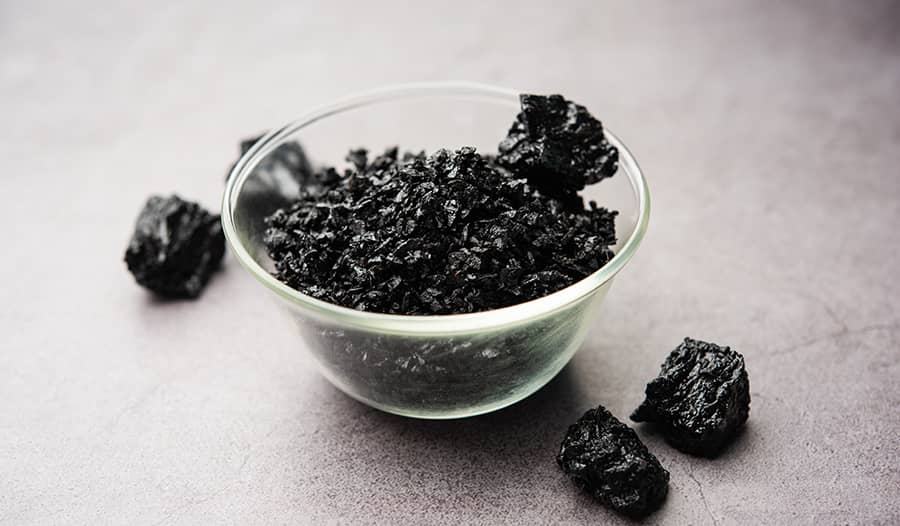
 Table of Contents